
The evolution of gambling tracing the roots of chance and luck
The Ancient Origins of Gambling
The roots of gambling can be traced back to ancient civilizations, where games of chance were integral to various cultures. Archaeological findings suggest that the practice of betting on outcomes was prevalent in ancient China, where rudimentary forms of games were played using dice made from animal bones. These early forms of gambling provided a means of entertainment while also serving as a way to test one’s fortune and luck. As you delve into this rich history, you can explore here the connections between ancient practices and modern gaming.
In addition to China, ancient Mesopotamia also showcased the origins of gambling through the use of dice. Historical records indicate that these civilizations viewed games of chance not only as leisure activities but also as methods to seek divine favor. The intertwining of luck, faith, and fortune laid the groundwork for modern gambling practices.
The Role of Luck in Historical Context
Luck has always been a pivotal concept in the evolution of gambling. In ancient Greece, for example, games were often associated with the goddess of chance, Tyche. This connection highlights how societies have historically attributed success or failure in gambling to external forces. The belief in luck transcended cultures, reinforcing the idea that chance plays a critical role in determining outcomes.
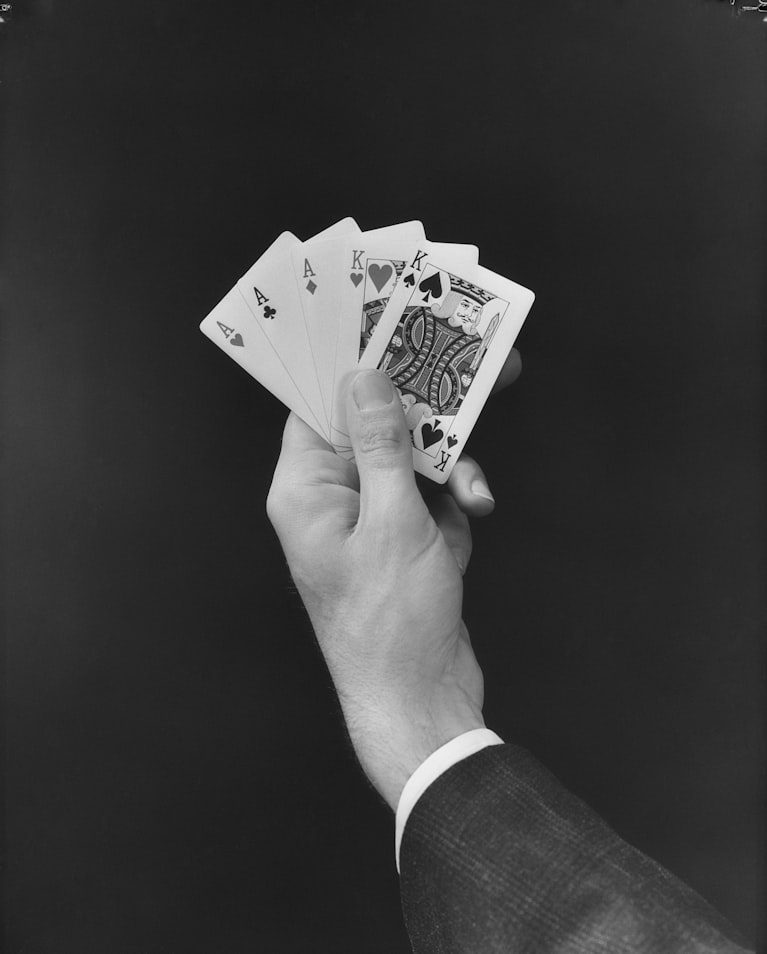
Moreover, the influence of luck in gambling led to the development of various games, each emphasizing different elements of chance. From the rolling of dice to the shuffling of cards, these games reflected society’s ongoing fascination with unpredictable outcomes and the innate human desire to influence fate.
The Rise of Casinos and Organized Gambling
The emergence of casinos during the Renaissance marked a significant turning point in the evolution of gambling. Initially, these establishments were designed for leisure, allowing individuals to engage in various games in a social setting. As the popularity of gambling grew, so did the sophistication of games offered, with an increasing emphasis on skill alongside chance.
As casinos became more established, they also became centers for social interaction, where etiquette and norms began to evolve. This period highlighted the balance between luck and skill, as players sought to enhance their chances of winning through strategy while still relying on the whims of fate.
The Digital Transformation of Gambling
The advent of technology has drastically changed the landscape of gambling in recent decades. Online casinos have emerged, providing players with unprecedented access to a variety of games from the comfort of their homes. This digital evolution has transformed how chance and luck are perceived, as algorithms and random number generators now play a significant role in determining outcomes.
As gambling has moved online, players have also found new ways to engage with games that emphasize both chance and strategy. Virtual platforms often incorporate elements of gamification, allowing individuals to combine skill-based decisions with the thrill of luck, further evolving the gambling experience.

Neosurf Casino: A Modern Approach to Gambling
Neosurf Casino represents a modern solution for players looking to engage in online gambling while prioritizing security and convenience. By allowing users to make deposits without disclosing personal banking information, Neosurf enhances the overall experience for players seeking a secure gambling environment. This focus on safety is crucial in today’s digital landscape, where players are increasingly concerned about their personal data.
Additionally, Neosurf Casino provides comprehensive guides on bonuses, top-rated casinos, and deposit methods, ensuring that users have access to all the necessary information for a successful gaming experience. By prioritizing user security and convenience, Neosurf Casino aims to elevate the traditional gambling experience into a modern, accessible, and enjoyable journey for players worldwide.